SUMMARY
TTF next-day averaged €61.71/MWh in August, up 15.2% month on month – a fourth consecutive monthly rise, though at a noticeably slower pace than July. The month opened with prices easing on hopes of an “imminent” deal to reopen the Strait of Hormuz, but those hopes faded as the conflict re-escalated and TTF resumed a steady climb, closing August above €66/MWh and trading above €69/MWh by 31 August – its highest level since January 2023. Basis markets also shifted: CEGH's premium to TTF, which had compressed for two straight months, widened again in August, while ZTP and PEG both moved from small discounts to modest premiums. TTF and THE together now account for 65.7% of total volume, overtaking the TTF-NBP concentration seen in June and July. EU-wide storage crossed 60% in mid-August and reached 64.73% by 31 August, continuing steady injections, though it remains below the seasonal norm for this point in the refill season.
PRICE ACTION
- TTF eased at the start of August before resuming the climb that has now defined every month since May. Next-day physical opened the month at €57.79/MWh on 3 August and fell to a monthly low of €52.47/MWh on 5 August as reports of an imminent US-Iran agreement on Hormuz shipping built hope for de-escalation – TTF fell as much as 6% in a single session on the news. Those hopes faded through the second week, and the market climbed steadily from 10 August onward, closing the month at €66.05/MWh on 28 August and trading above €69/MWh – its highest since January 2023 – by 31 August, as Iran struck US air bases in Jordan following US strikes on Iranian assets in the Strait.
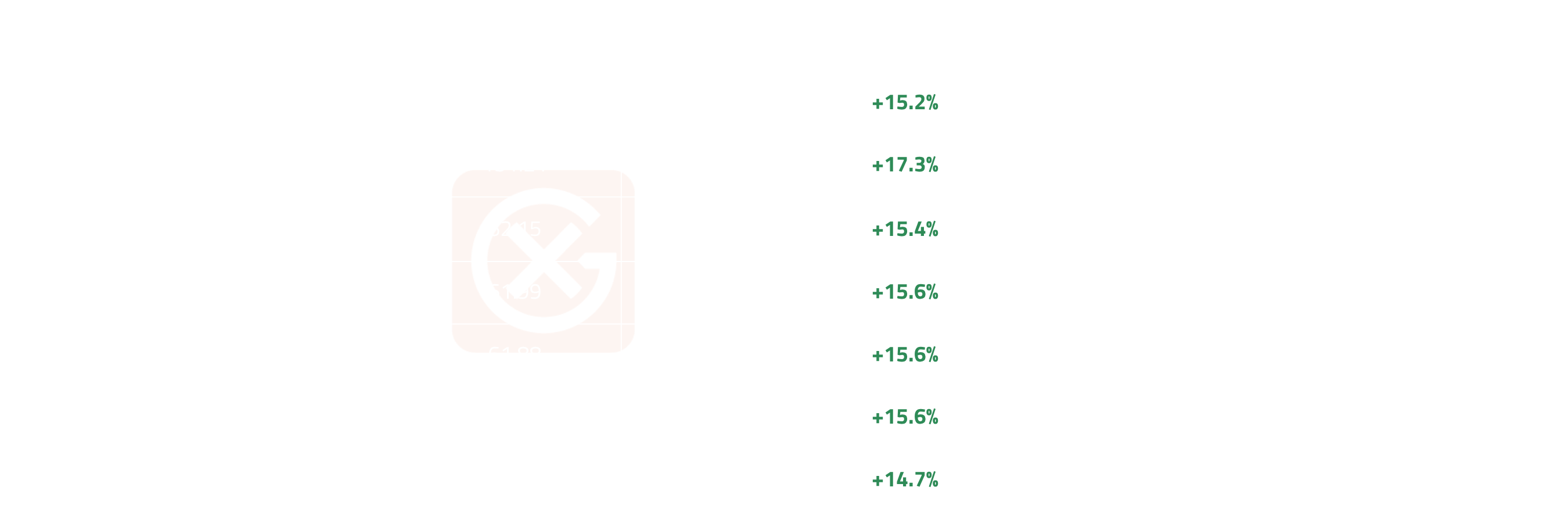
- TTF averaged €61.71/MWh in August, up 15.2% month on month; every other hub in this report rose 14.7-17.3% over the same period.
- The monthly trading range was €15.70/MWh (€52.47 – €68.17), narrower than July's €20.32/MWh range, consistent with a steadier, less crisis-driven climb.
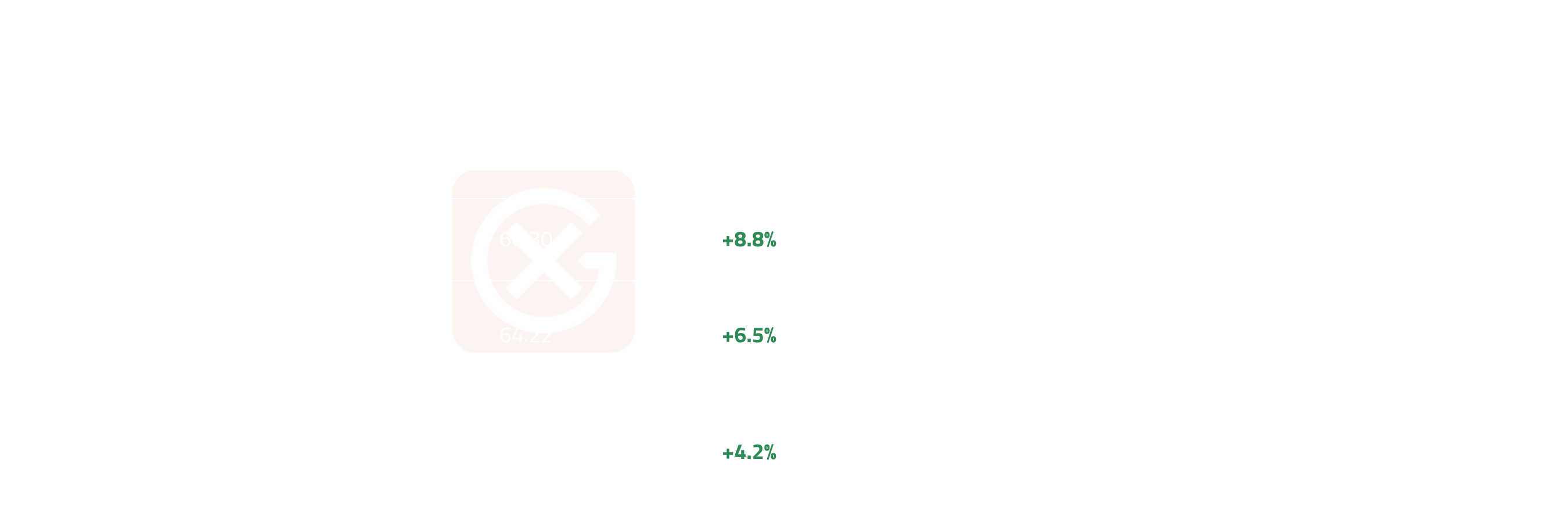
- The market strengthened in every week, but weekly gains decelerated through the month (+8.8%, +6.5%, +4.2%), a marked change from July's pattern of accelerating gains.
- EU-wide gas storage crossed the 60% threshold in mid-August and reached 64.73% full by 31 August (GIE AGSI+), up from 55.4% at the end of July, with injections continuing at a healthy pace even as prices climbed, though the fill remains below the seasonal norm for this point in the season.
CROSS-MARKET DYNAMICS
- Global LNG competition remained a factor, though its shape shifted slightly. The Asian LNG (JKM) premium over TTF widened from $1.28/MMBtu on 29 July to $3.17/MMBtu on 5 August, even as TTF itself fell that week – a sign Asian buyers were pulling harder on available cargoes just as European prices briefly eased. Qatar's first tanker to transit the Strait since the earlier attack (the Al Areesh, 30 July) was read by markets as “a signal, not a recovery”: more than a dozen tankers reportedly remained queued off Ras Laffan through August, keeping Atlantic Basin cargoes as Europe's primary marginal supply.
- The tight gas-oil co-movement seen in June and July partially broke down in August. Brent crude eased to around $79/bbl in early August as OPEC+ announced a further September production increase and reports suggested a Hormuz shipping deal was close, then traded in a comparatively range-bound $79-94 band for the rest of the month – including a pullback on fresh US sanctions on Iran (24 August) and a further easing after Iran and Oman outlined a phased framework for a temporary Hormuz shipping corridor (26 August). TTF, by contrast, kept climbing through the same period on gas-specific tightness – the Qatari LNG shortfall, the Damietta attack on Egyptian LNG infrastructure, and continued Asian competition for cargoes – rather than tracking the broader crude complex.
CROSS-REGIONAL DYNAMICS
[Arb economics, freight, regional spreads, import/export flows.]
- Basis relationships shifted more than they extended established trends this month.
- CEGH's premium to TTF, which had compressed for two consecutive months (from +€2.15/MWh at the start of June to +€0.84/MWh at the end of July), reversed course in August, widening from +€1.29/MWh on 1 August to +€1.55/MWh by 28 August, and reaching as much as +€2.19/MWh intramonth.
- ZTP flipped from a small discount to TTF in June and July to a growing premium in August, from +€0.09/MWh on 3 August to +€0.49/MWh by 28 August – its clearest directional basis move of the three months covered so far.
- PEG held on to the small premium it moved into during July, though less steadily – it widened to as much as +€0.68/MWh mid-month before settling back to +€0.14/MWh by month-end.
- ETF (Denmark) remained the most volatile basis for a third straight month, swinging from a small premium (+€0.25/MWh) to as much as -€2.01/MWh intramonth before ending August at -€0.58/MWh.
- The volume story shifted more than the price story: TTF and THE together accounted for 65.7% of total volume in August, overtaking the TTF-NBP concentration seen in June and July. NBP's share fell to 21.2% (from 30.7% in July) as its trade count roughly halved to 952, while THE's share nearly tripled to 15.9% as its trade count rose to 2,285, the highest of any hub after TTF.
Hub-level detail for the month is set out below
North American Nat Gas Cross-Regional Dynamics | General Index
North American Nat Gas Cross-Regional Dynamics | General Index
PRICE VOLATILITY
- Volatility fell sharply across every hub in August, reversing July's spike entirely: each hub's Day-Ahead coefficient of variation dropped by roughly 4-5 percentage points versus July, landing in a 6.9-7.5% range – even tighter than June's 7.7-8.6% range. TTF was the most volatile hub in August (7.48%) and ETF (Denmark) the least (6.85%). Three months in, the pattern is now clear: volatility moves with the character of the underlying price action – low in June's round trip, sharply higher in July's crisis-driven spike, and lower again in August's steadier, more gradual climb – rather than with the direction or magnitude of the average price move itself.
SOMETHING TO WATCH
- Qatari LNG Recovery
- Observation: The Al Areesh tanker's transit of the Strait on 30 July was the first Qatari passage since the earlier attack, but market commentary through August consistently framed it as “a signal, not a recovery” – more than a dozen tankers reportedly remained queued off Ras Laffan through the month, and full normalization is now tied to the pace of Hormuz mine-clearance efforts.
- Why it matters: A slow, partial Qatari recovery keeps Europe reliant on Atlantic Basin cargoes against a firm Asian bid, and helps explain why TTF kept climbing in August even as oil found a more genuine two-way market.
- What to monitor: The pace of tanker queue clearance off Ras Laffan, progress on the Iran-Oman shipping-corridor framework announced 26 August, and whether further Qatari transits follow the Al Areesh passage.
- Storage Through the Injection Season
- Observation: EU-wide storage crossed 60% in mid-August and reached 64.73% full by 31 August (GIE AGSI+), up from 55.4% at the end of July, with injections continuing at a healthy pace despite the price climb.
- Why it matters: The fill level remains below the seasonal norm for this point in the year on every major tracker, even though the exact size of the gap is disputed between sources; continued injection at the current pace is broadly consistent with reaching the relaxed 80% target by 1 November, but leaves little margin if the Hormuz situation deteriorates again before then.
- What to monitor: Weekly GIE AGSI+ updates, and whether the pace of injections holds up as prices remain near their highest levels since January 2023.
- Oil-Gas Divergence
- Observation: After moving together through June and July, Brent crude and TTF partially decoupled in August – Brent traded in a comparatively range-bound $79-94 band for most of the month while TTF climbed steadily to a post-January-2023 high.
- Why it matters: The divergence suggests the market is starting to price gas-specific supply tightness (Qatari LNG, Egyptian LNG infrastructure, Asian competition) somewhat separately from the broader Middle East oil risk premium, which has been tempered by OPEC+ supply increases and shipping-corridor diplomacy that don't directly add gas to the European market.
- What to monitor: Whether the divergence persists into September or the two benchmarks reconverge – a re-widening Middle East conflict would likely pull both higher together, while a genuine Hormuz shipping resolution would need to ease gas-specific bottlenecks, not just the oil-focused ones, to bring TTF back down.
Note: All figures, prices and market activity referenced in this report are based on the period covered by this monthly update.
.webp)

.webp)
.webp)