SUMMARY
Outright Dubai crude prices averaged $76.68/bbl in July, down $2.72/bbl (-3.43%) MoM from June's $79.40/bbl but up $5.81/bbl (+8.20%) YoY, as weakness earlier in the month outweighed the subsequent rally, with prices sliding to a five-month low near $63/bbl before rebounding sharply to $97.19/bbl on 23 July, before to close the month at $81.80/bbl on 31 July. The US strikes on Iran and revocation of the 60-day oil waiver on 8 July, followed by Houthi forces imposing a Red Sea blockade on Saudi ports, drove the steepest weekly rally of the month at +13.3% WoW in W4. Dubai Swaps M1-M12 flipped from -$0.61/bbl contango to +$6.75/bbl backwardation over the month. The Dubai-Murban relationship swung sharply within the final two sessions: a $5.79/bbl Dubai discount on 30 July reversed to a $2.62/bbl Dubai premium by 31 July as Murban fell back from its mid-month spike. Brent-Dubai EFS similarly eased to $11.81/bbl on 31 July from a $16.25/bbl peak on 26 July, though it remains well above June's month-end level, as Asian refiners continue rotating toward US and West African grades. Market focus stays on whether the US-Iran pause reforms or the blockade drags on.
MARKET ACTIVITY
- Dubai Partials tally stood at 312 trades, with Trafigura the dominant buyer (221 partials, 70.8%) and Mitsui second (65, 20.8%); Vitol (135 sold, 43.3%) and Mercuria (105 sold, 33.7%) remain the two dominant sellers, together supplying 77% of all the seller-side volumes
- A total of 11 Oman convergences were declared this month (3-31 July), versus zero in June despite an active partials window, suggesting Trafigura and Mitsui activity was based on a bullish outlook on prices, resulting in build-up of physical length
- Unipec has continued growing as a seller (38 cargoes, up from 27 previously), with the bulk going to Trafigura (27); Trafigura's buying share has climbed steadily through the month, from 31% in June to 70.8% on the latest tally, as the Chinese trading arm shorts its positions amid the possibility of continuing and widening conflict in the Middle East
PRICE ACTION
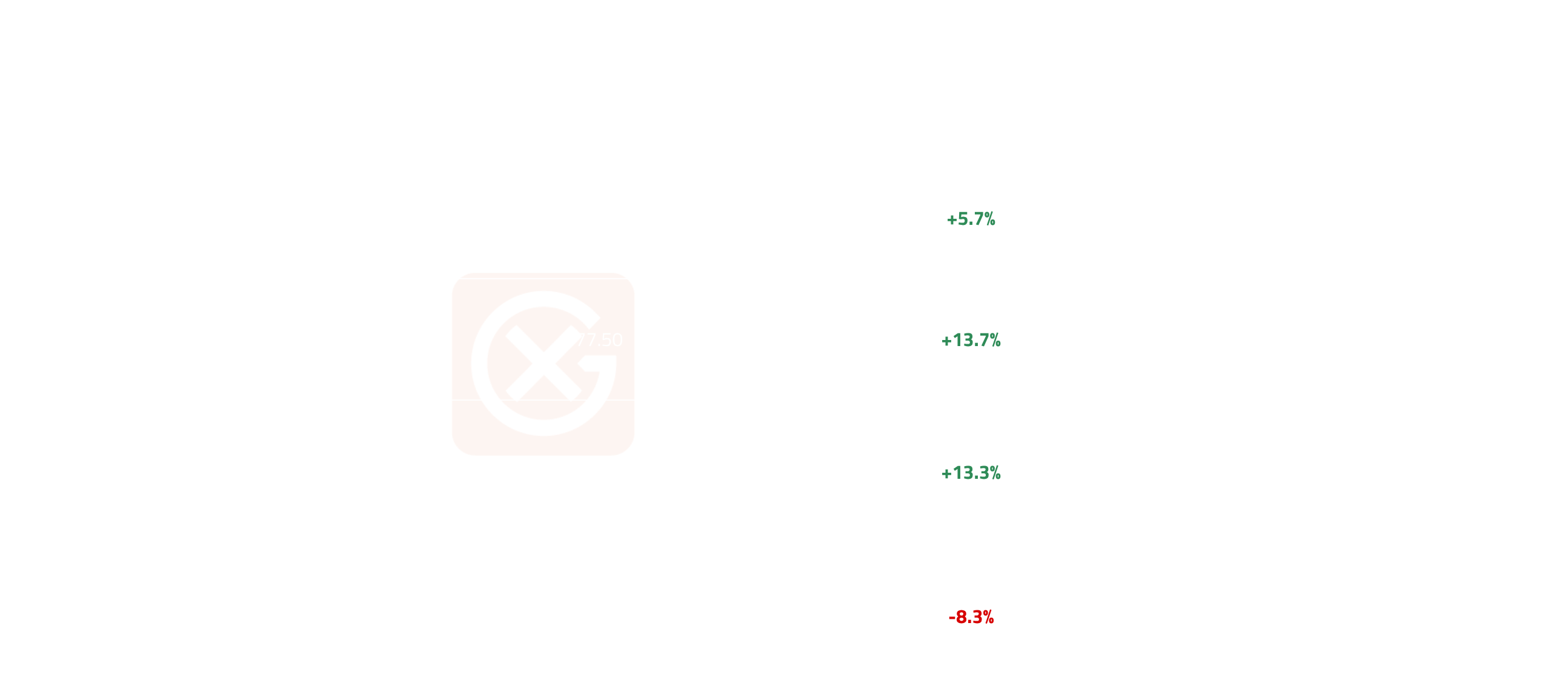
- Open $66.29/bbl (1 July), close $81.80/bbl (31 July), monthly avg $76.68/bbl vs June's $79.40/bbl (-$2.72/bbl MoM, -3.43%); avg up YoY at +$5.81/bbl vs July 2025's $70.87/bbl (+8.20%)
- Monthly high $97.19/bbl on 23 July; monthly low $63.30/bbl on 2 July; intra-month range $33.89/bbl was roughly in line with June's $33.02/bbl range, confirming the volatility regime from June carried straight through
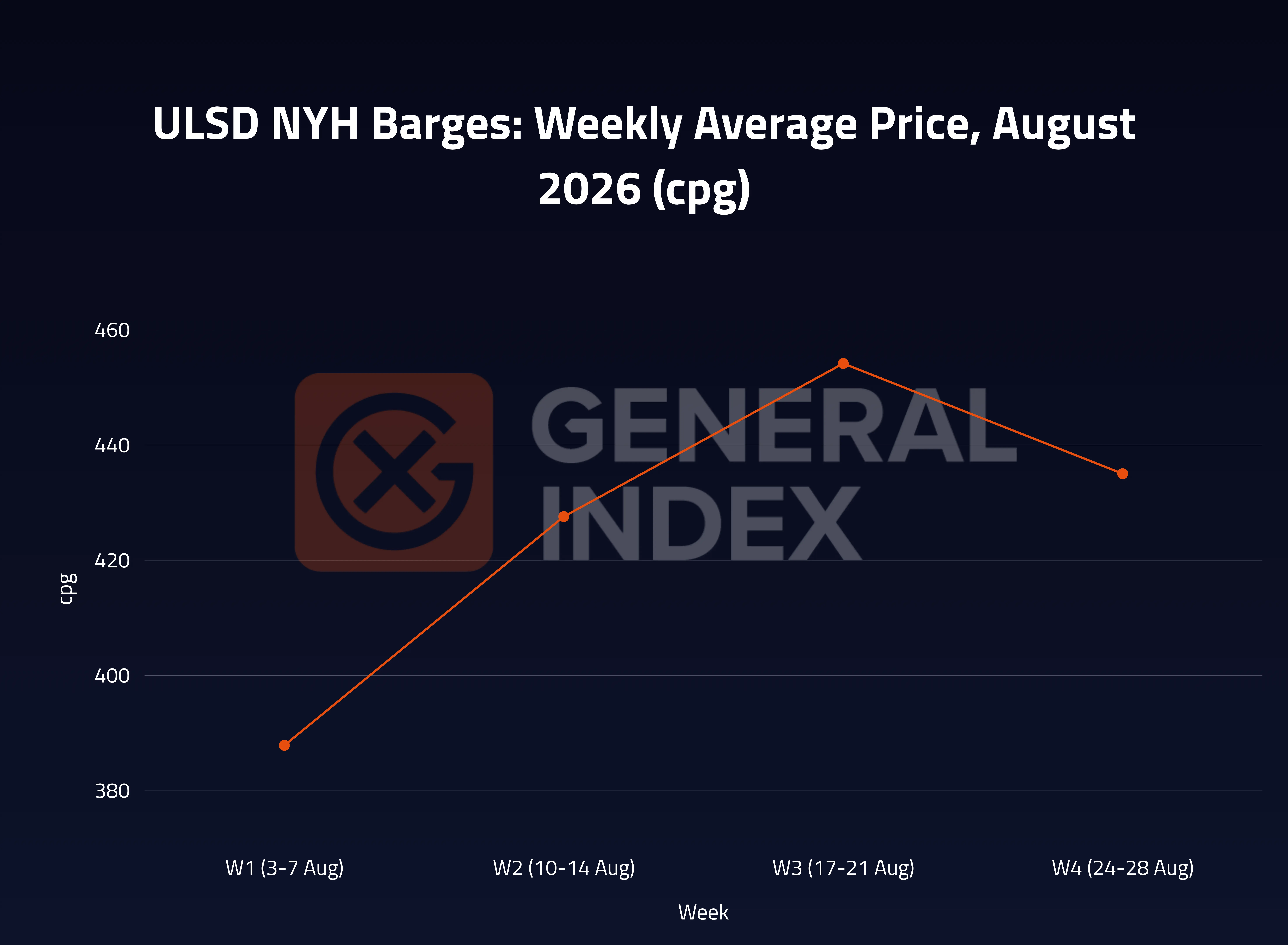
- W4 was the breakout rally week at +13.3% WoW as the US completed its 13th consecutive night of strikes before pausing on 23-24 July; the W5 pullback of -8.3% WoW came despite that pause breaking down on 28 July (Iran struck US forces, US resumed with a "heavy wave" of strikes 29-30 July), before prices eased further into the 31 July close
CROSS-MARKET DYNAMICS
- Dubai's average premium to GME Oman futures compressed from $0.94/b in June to $0.31/b in July, before widening sharply to a $3.55/b premium at the 31-July close, the widest single-day spread in the two-month window
- Against IFAD Murban, the relationship swung twice within the final two sessions: a near-parity $0.06/b Dubai premium in June deteriorated to a $2.43/b average Dubai discount in July, reaching as wide as $12.79/b on 28 July, before reversing sharply to a $2.62/b Dubai premium by 31 July as Murban fell back from $87.70/b (30 Jul) to $79.18/b (31 Jul)
- The scale and speed of the Murban reversal on the final day (a nearly $13/b round-trip in the spread over four sessions) suggests the mid-to-late July Murban premium was driven by futures-specific positioning or expiry dynamics rather than a durable repricing of light sour versus medium sour
CROSS-REGIONAL DYNAMICS
- The EFS averaged $8.14/b in July versus $7.21/b in June; June declined steadily to a $3.05/b month-end low, while July recovered from a similar $3.40/b start to a $16.25/b peak on 24 July before easing to $11.81/b by 31 July
- The move reflected refiners from Japan, South Korea, Thailand and India seeking US and West African crude as alternatives to Middle Eastern grades once the Hormuz/Red Sea risk premium built into Dubai-linked barrels
- The 31-July level of $11.81/b, while down from the 24-July peak, remains nearly 4x June's month-end close of $3.05/b, indicating that Asian demand for Brent-related Atlantic basin crude remains strong
CURVE STRUCTURE
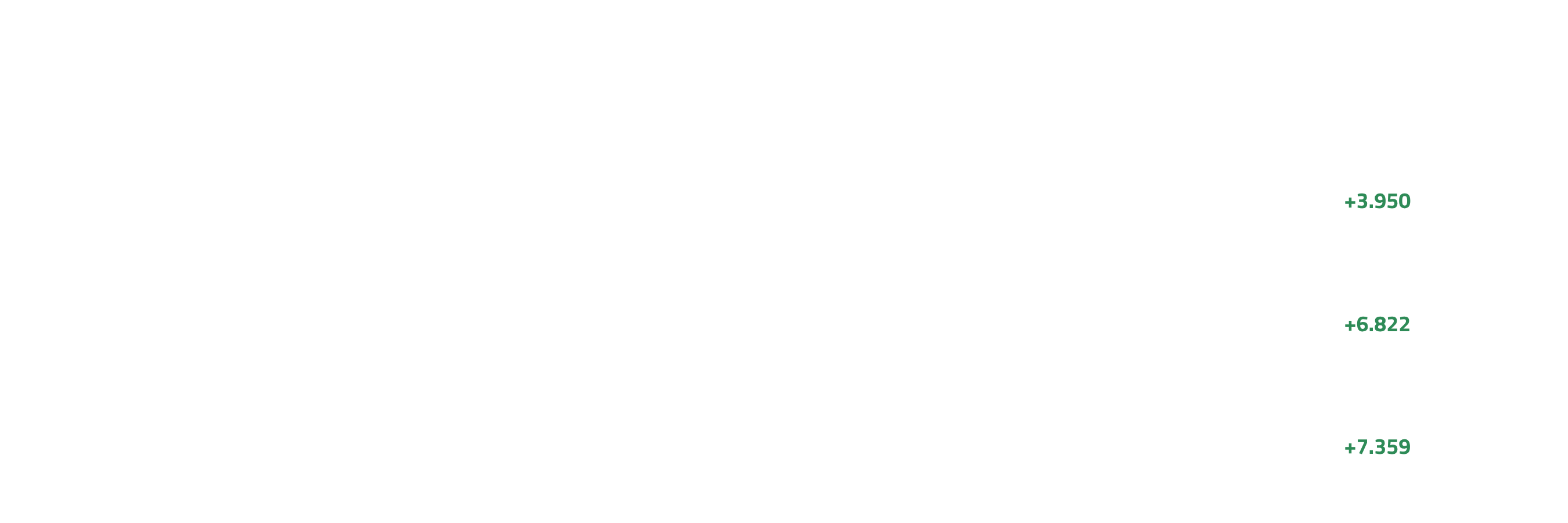
- Dubai Swaps M1-M2 flipped from -$0.96/b (1 Jul) to +$2.99/b (31 Jul); M1-M6 from -$1.27/b to +$5.55/b; M1-M12 from -$0.61/b to +$6.75/b, a front-loaded (bull steepening) move that has eased slightly from the wider levels seen on 30 July (M1-M12 was +$8.46/b then)
- The front month (M1) gained roughly $11.39/b over the month while M12 gained only $4.03/b, confirming the rally remained concentrated in the prompt even as it pulled back into month-end
- The curve has not re-flipped to contango despite the pullback, meaning the market still prices some ongoing risk even as the most acute pricing (23-24 July) has faded
PRICE VOLATILITY
- July's coefficient of variation stands at 11.88%, easing from June's 13.87%
- Two consecutive months of regime-level volatility, rather than a single event, means risk models calibrated to the 3-7% range seen February through May are still understating current risk
- March's 21.72% remains the outlier peak; June and July together mark a second, more sustained volatility regime rather than a one-off spike
- The elevated CV alongside the sharp intra-month swings in flat price, the EFS and the Murban spread all point to a market that has become more sensitive to headline-driven news flow rather than settling into a stable pricing regime; each escalation or de-escalation signal is being repriced quickly and in full
SOMETHING TO WATCH
- A prolonged disruption of flows through the Red Sea and Strait of Hormuz could see more flow diverted from the Atlantic Basin to Asia, keeping the EFS structurally elevated rather than retracing — watch US/West African export volumes into Asia and the EFS level
- Saudi Arabia rerouting exports north via the Suez Canal or the SUMED pipeline to Sidi Kerir to bypass the Bab el-Mandeb blockade would ease the immediate flow disruption but add transit time and cost — watch Suez/SUMED throughput data and any announced rerouting
Note: All figures, prices and market activity referenced in this report are based on the period covered by this monthly update.
.webp)

.webp)