TTF DA averaged €44.74/MWh in June, down 4.8% month on month, as an early-month Strait of Hormuz risk premium unwound faster than fresh supply disruptions could sustain it. Every hub covered in this report sold off on the month, but the average masks a sharp round trip: prices rallied through the first ten days of June as Israel-Iran hostilities escalated, then fell roughly 15% into mid-month as a US-Iran memorandum of understanding raised hopes of a swift Hormuz reopening, before firming again into month-end as fresh attacks on Gulf shipping revived the risk premium.
Basis markets did differentiated work underneath that common price path: CEGH's premium to TTF compressed by more than €1/MWh as new EU restrictions on short-term Russian pipeline contracts took effect, while ETF (Denmark) flipped from a small premium to a discount versus TTF. NBP, quoted separately in p/therm, tracked the same shape but on the fewest trades of any major hub. EU-wide storage reached 48.86% full by 30 June, still around 15 bcm below the five-year seasonal average despite steady injections through the month.
Price Action
TTF recovered from a mid-month trough and closed June still carrying a visible Middle East risk premium. The DA index reached an intramonth high of €50.04/MWh on 10 June, the highest close of the month, before falling steadily to €40.29/MWh by 25 June and settling at €43.53/MWh on 30 June. The rally in the first half of the month was driven almost entirely by escalating Israel-Iran hostilities around the Strait of Hormuz; the subsequent selloff followed the announcement of a US-Iran memorandum of understanding, before renewed attacks on shipping pulled prices back up into month-end.
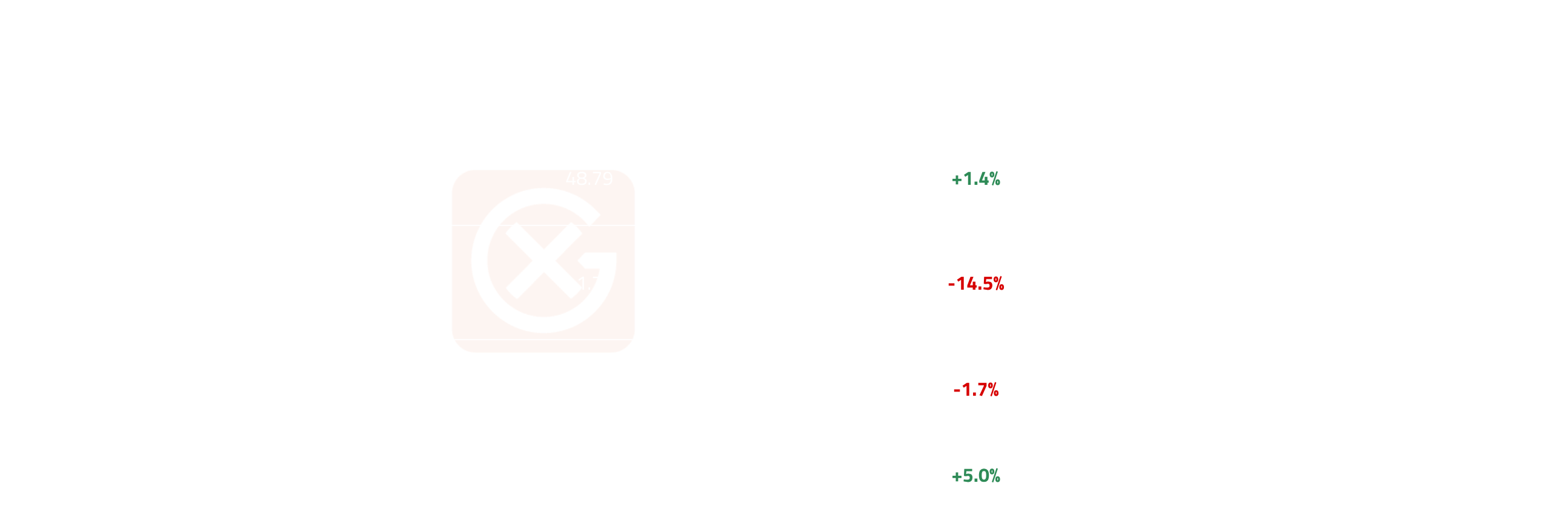
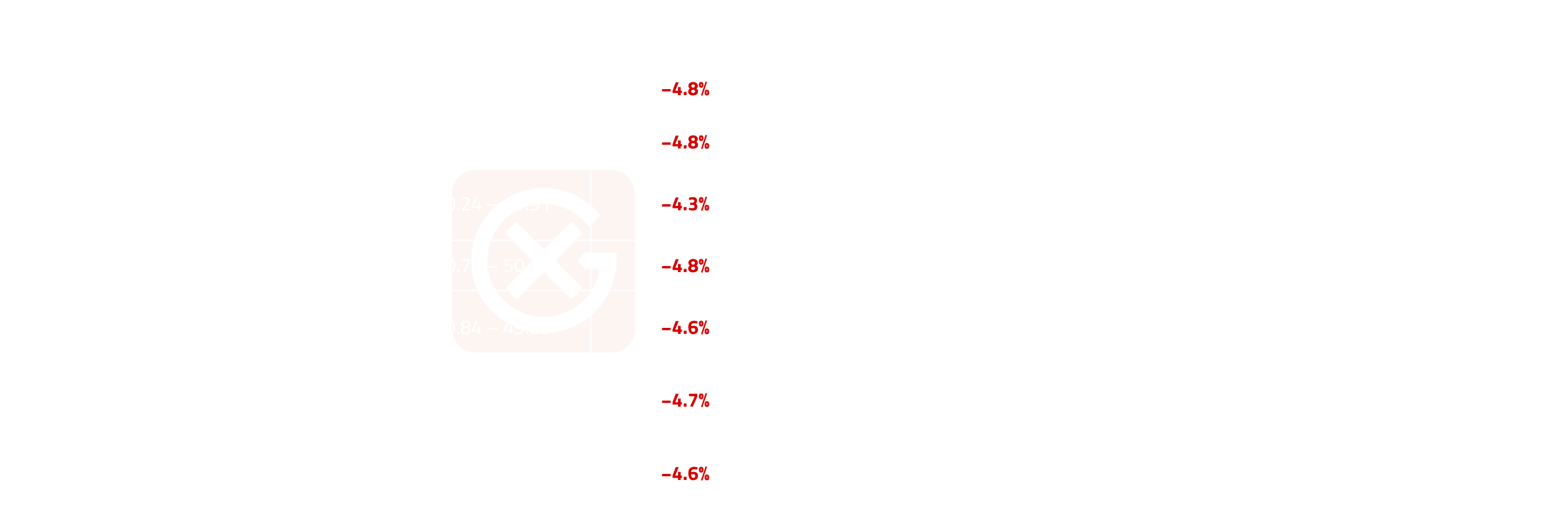
- TTF averaged €44.74/MWh in June, down 4.8% month on month; every other hub in this report fell 4.3-4.8% over the same period.
- The market weakened through the middle of the month as hopes built for a Strait of Hormuz reopening, before firming again in the final week on renewed Gulf shipping attacks.
- EU-wide gas storage stood at 48.86% full as of 30 June, up from roughly 41.8% at the end of May but still around 15 bcm below the five-year seasonal average, with injections continuing through the month.
Cross-Market Dynamics
- Global LNG competition remained a headwind for European supply throughout June. Asian spot LNG (JKM) traded at a persistent premium to TTF for most of the month – both benchmarks moved on the same Hormuz headlines, but JKM's premium meant Atlantic Basin cargoes continued to be pulled toward Asia rather than Europe. That dynamic mattered more than usual this month given the ongoing disruption to Qatari LNG production and export capability, which left Europe more dependent on the same flexible cargoes Asian buyers were competing for.
- Unlike the crude-gas divergence seen in North America, European gas and oil moved together in June, both driven by the same Middle East risk factor. Brent followed TTF's round trip almost exactly - spiking on the Israel-Iran conflict, then falling roughly a third into the $70s as the US-Iran memorandum took hold, with brief rebounds on renewed attacks. As long as Hormuz stays the dominant driver, expect gas to keep trading with oil, not against it.
Cross-Regional Dynamics
- CEGH's premium to TTF compressed from +€2.15/MWh on 1 June to +€1.05/MWh by 30 June, the largest basis move of any hub in the dataset. The timing overlaps with the EU-wide ban on new short-term Russian pipeline gas contracts that took effect on 17 June, though regional storage and weather dynamics east of Germany were likely also contributing.
- ETF (Denmark) was the only hub to flip the sign of its TTF basis during the month, moving from a small premium (+€0.08/MWh on 1 June) to a discount (-€0.74/MWh by 30 June).
- ZTP and PEG held broadly stable, modest discounts to TTF throughout June (roughly -€0.3 to -€1.0/MWh), while THE carried a small, steady premium (+€0.15 to +€0.55/MWh) consistent with its role as Germany's benchmark hub.
- NBP, quoted in p/therm, tracked the same shape and saw the sharpest swing in trading activity of any hub – trade counts jumped to 529 in the week of 8-12 June, more than double most other weeks, as peak Hormuz risk drove increased hedging.
- Overall, June highlighted two distinct themes: broad, geopolitically-driven co-movement across every hub's price, and material differentiation beneath the surface in basis levels and trading activity, most visible at CEGH and ETF (Denmark).
Price Volatility
Price volatility was unusually uniform across hubs in June, in contrast to the wide dispersion seen in trading activity. All seven hubs recorded a Day-Ahead coefficient of variation between 7.7% and 8.6%, with NBP slightly the most volatile (8.64%) and CEGH the least (7.69%) – a spread of less than one percentage point. That tight clustering is consistent with a market where a single geopolitical driver, the Strait of Hormuz, dominated price formation everywhere at once, rather than any one hub facing an idiosyncratic local shock.
Something to Watch
Qatari LNG Recovery (Expected Q4 2026)
- Observation: Qatari LNG production and export capability remained impaired through much of June following Strait of Hormuz-related disruption; market trackers do not expect a full resumption of deliveries into Europe before early Q4 2026.
- Why it matters: Qatar normally supplies a meaningful share of EU LNG demand. Its continued absence leaves Atlantic Basin cargoes carrying a disproportionate share of the European balancing burden through the injection season, and keeps Europe more exposed to competition with Asian buyers (see Cross-Market Dynamics).
- What to monitor: Qatari force-majeure updates, Strait of Hormuz shipping and insurance data, and whether Atlantic Basin LNG deliveries into Europe can offset the shortfall without slowing storage progress.
Storage Through the Injection Season
- Observation: EU-wide storage reached 48.86% full as of 30 June (GIE AGSI+), up from roughly 41.8% at the end of May, but still around 15 bcm below the five-year seasonal average.
- Why it matters: Continued injections at the current pace keep the market on track to fall short of the relaxed 80% target for 1 November – a narrower buffer heading into winter that could keep a structural floor under prompt prices even if geopolitical risk eases.
- What to monitor: Weekly AGSI+ storage updates and whether the pace of injections closes the gap to the roughly 0.25 percentage point per day needed to reach 80% by 1 November.
Middle East Risk Persistence
- Observation: Attacks on shipping through the Strait of Hormuz resumed in the final days of June, reversing part of the mid-month price decline that followed the US-Iran memorandum of understanding.
- Why it matters: With the memorandum still only partially implemented and major shipping lines yet to fully resume transits, the market remains exposed to further two-way volatility on Hormuz headlines rather than settling into a stable range.
- What to monitor: Strait of Hormuz vessel-transit and insurance-rate data, progress on US-Iran implementation talks, and Qatari LNG loadings as a real-time gauge of whether de-escalation is holding.
June was a month in which a single geopolitical driver, the Strait of Hormuz, dominated European gas pricing more completely than any fundamental factor, with every hub moving through the same rally-selloff-partial-recovery cycle in near lockstep. Regional differentiation showed up not in price direction but in basis levels and trading activity, most visibly at CEGH and ETF (Denmark), and in NBP's concentration into fewer, larger trades. How quickly Qatari LNG returns, whether the storage injection pace can close the gap to the relaxed 80% target, and whether the US-Iran de-escalation holds will determine whether the second half of the year brings a genuine reset lower or a return to the volatility seen this month.
Note: All figures, prices and market activity referenced in this report are based on the period 1 to 30 June 2026.
.webp)

.webp)