.webp)
Jet CIF NWE Cargoes Prompt averaged $1,297.86/mt (-16.4% MoM, +96.7% YoY) as April's structural Hormuz premium unwound across every relative-value metric on the basis of diplomatic progress rather than physical resolution. The strait itself remained largely closed through month-end, but the deal narrative dominated: the May 6 -$152.25/mt single-day move marked the largest down-day of the month on intra-session ceasefire-deal hopes, and the W22 final-leg lower (-13.0% WoW, May 26-28) followed Trump's May 23 Truth Social post that an agreement to reopen Hormuz was "largely negotiated". The Regrade collapsed -80% MoM from +$22.24/bbl to +$4.43/bbl and printed its first negative reading of the year at -$0.53/bbl on May 7, with the cargo-barge premium narrowing -39% from +$53.19/mt to +$32.65/mt; the NWE-Singapore arb re-flipped to a +$11.43/bbl monthly premium from April's -$2.47/bbl discount as Asian reverse arbitrage faded.
The ICE LSGO curve printed textbook bear steepening with M1 falling $279/mt month-end-to-month-end while M12 barely moved, and the jet-specific prompt structure GX0000679 compressed 81% MoM to -$0.61/mt, only 2.3x year-ago vs April's 10x stretch. Market-maker Xconnect returned as a top-5 seller across all three derivatives venues after April's complete withdrawal. The forward question is no longer whether the premium unwinds, but whether the unwind reverses: if the Iran framework collapses or summer aviation demand outpaces the import rebuild, the back-curve and Regrade have room to widen again before peak demand.
Price Action
- Jet CIF NWE Cargoes Prompt averaged $1,297.86/mt, -16.4% MoM but +96.7% YoY as April's record flat-price regime unwound on diplomatic de-escalation.
- Opened at $1,533.75/mt (May 1) and closed at $1,120.25/mt (May 28); open-to-close -$413.50/mt, a sustained directional move unlike April's V-shape.
- Monthly avg $1,297.86/mt vs April's $1,552.95/mt (-16.4% MoM) and May 2025's $659.76/mt (+96.7% YoY); the YoY remains elevated but is no longer at the 130% stretch that defined the post-Hormuz benchmark month.
- Intra-month range $413.50/mt vs April's $516.75/mt and May 2025's $58.75/mt; range narrowed MoM but volatility regime is still 7x year-ago.
- Largest single-day move was -$152.25/mt on May 6 as intra-session ceasefire-deal hopes drove oil broadly lower (Brent down ~5% earlier in the session before partially recovering); the May 5-7 sequence collectively delivered -$315.75/mt over three sessions as the early-May war-risk premium evaporated.
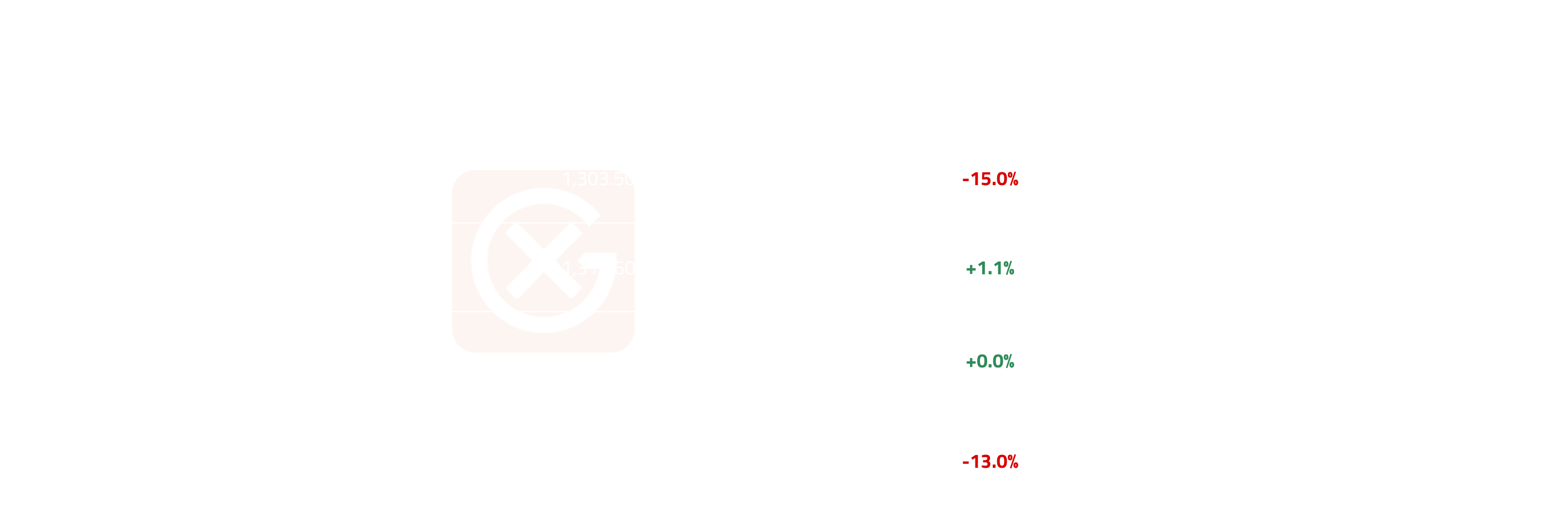
- W22 (May 26-28) re-accelerated lower at -13.0% WoW following Trump's May 23 Truth Social announcement that a framework deal extending the ceasefire 60 days and reopening Hormuz was "largely negotiated"; close at $1,120.25 is the lowest Prompt assessment since March 4 2026.
Cross-Market Dynamics
- Cargo-barge premium narrowed 39% MoM to +$32.65/mt as the import-scarcity tax dissolved; Regrade collapsed -80% MoM with the first negative print of the year on May 7.
- Cargo-barge spread (Jet CIF NWE Cargoes minus Jet FOB NWE Barges) averaged +$32.65/mt vs +$53.19/mt April and +$4.63/mt May 2025; the new monthly high was +$87.25/mt on Apr 30 (rollover from April) and the spread compressed steadily through May to +$8.25/mt on May 28.
- The cargo-barge unwind is the cleanest signal that war-risk premium is dissolving despite Hormuz remaining largely closed: US export pace held at ~500kt/month into Europe (LSEG, Kpler) and the deal-progression narrative reduced the urgency premium imported barrels commanded over domestic refining; ARA jet stocks continued drawing but at a slowing pace as gasoil imports surged to 236 kbd in May with US-origin at 49% (Vortexa, Insights Global).
- Regrade (Jet CIF NWE Cargoes vs ULSD CIF NWE Cargoes BBL) Prompt averaged +$4.43/bbl in May vs +$22.24/bbl April and +$0.35/bbl May 2025; range -$0.53/bbl (May 7 trough, first negative reading of 2026) to +$15.70/bbl (May 1 peak).
- The May 7 negative print and May 28 close at +$1.04/bbl place the Regrade essentially back within the normal historical seasonal cycle of -$5 to +$2/bbl (Argus); the jet-specific premium that defined the post-Hormuz market has all but evaporated even though physical supply has not been restored.
- ULSD Prompt eased -8.5% MoM ($1,302.54 → $1,192.46/mt) vs jet -16.4%, with diesel holding firmer on continued European industrial demand and the broader EU gasoil draw; the asymmetry is jet-specific, not complex-wide.
- Jet vs ICE LSGO Futures diff Prompt averaged +$124.90/mt vs +$304.76/mt April and +$52.23/mt May 2025; the spread compressed 59% MoM but remains 2.4x year-ago, signalling some residual premium for jet specifically but the structural distinction is fast-fading.
- Jet crack vs Brent Dated averaged +$56.17/bbl in May vs +$76.68/bbl April and +$19.41/bbl May 2025; crack compression reflects Brent flat-priced easing -10% MoM ($108.32/bbl avg) while jet flat fell -16.4%, with jet now repricing back toward crude rather than carrying its own war premium.
Cross-Regional Dynamics
- NWE-Singapore arb re-flipped to +$11.43/bbl premium as reverse-arb to Asia faded; NWE-USGC premium compressed 60% MoM as the Transatlantic urgency eased.
- NWE CIF Cargoes Prompt at $164.49/bbl (avg) traded above Singapore FOB Cargoes at $153.06/bbl, a +$11.43/bbl premium vs April's -$2.47/bbl discount and May 2025's +$5.56/bbl; the structural NWE-premium relationship is restored at 2.1x the May 2025 norm but no longer at the April emergency-flip.
- Mechanism: Singapore eased 23.7% MoM ($200.54 → $153.06/bbl) as Asian buyers stopped paying up to backfill Mid-East Gulf barrels; the ~231 kbd of reverse arbitrage Kpler tracked in April faded into May as the deal narrative reduced the urgency for Asian buyers to source from west of Suez.
- NWE-USGC Waterborne (BBL-converted) averaged +$10.22/bbl vs +$25.52/bbl April and ~zero May 2025; structurally elevated vs year-ago but compressed 60% MoM, signalling Transatlantic arb economics are restoring toward normal as Hormuz deal progresses and US export pull-east weakens.
- USGC Prompt fell -10.6% MoM ($4.11/gal → $3.67/gal), and the US flow into Europe held at ~500kt+ pace into May (LSEG, Kpler) but the spec friction continues to throttle throughput as Jet A vs Jet A1 remains a structural barrier.
Curve Structure
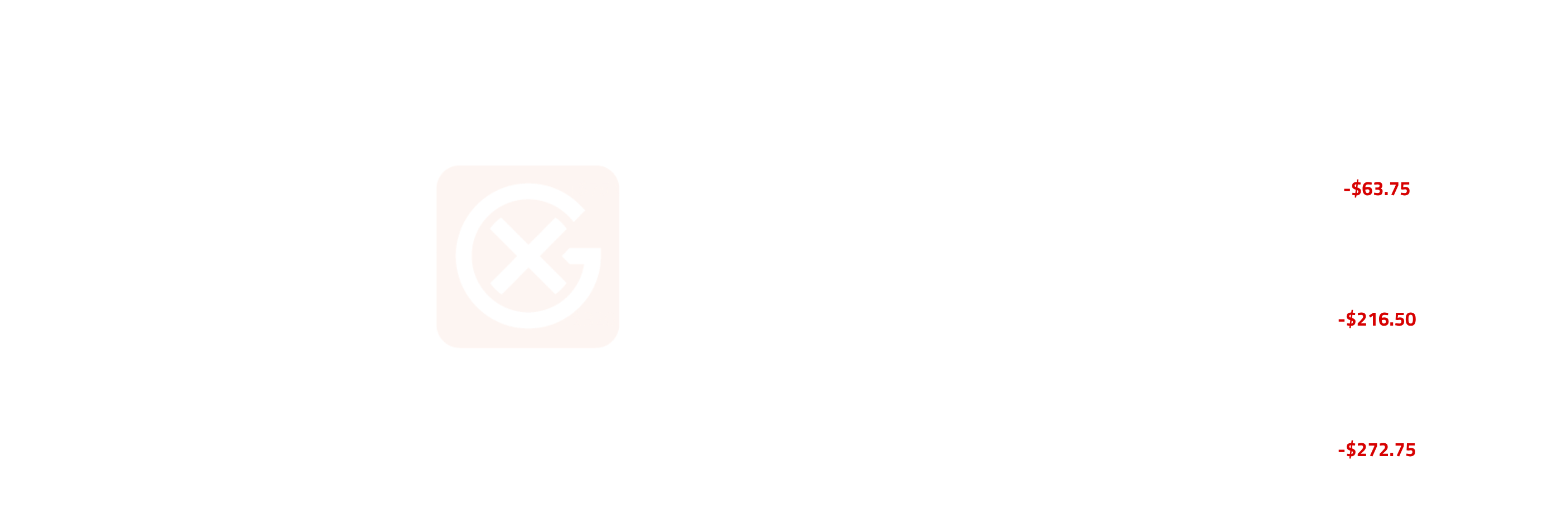
- Bear steepening: ICE LSGO M1 fell $279/mt April-end to May-end while M12 barely moved (-$6.25); M1-M12 spread compressed from +$478.75/mt to +$206/mt as the front collapsed on deal progression while the back priced supply-chain rebuild timing.
- M1-M2 narrowed from +$75/mt to +$11.25/mt (-$63.75); the prompt squeeze that defined March-April has effectively cleared, with backwardation now closer to normal levels than emergency levels.
- May 2025 M1-M12 was approximately +$30/mt at month-end; current +$206/mt remains 7x normal, indicating the supply-chain rebuild story is intact even as the front-end emergency unwinds.
- The bear steepening is the textbook unwind pattern: front collapses faster than back as acute scarcity eases, but back end holds because the supply-chain rebuild and inventory replenishment is months-long even on confirmed Hormuz reopening (IEA estimates June or 3Q26 resumption).
- Jet-specific prompt structure (GX0000679) averaged -$0.61/mt in May vs -$3.13/mt April and -$0.26/mt May 2025; backwardation compressed 81% MoM and is now only 2.3x year-ago vs April's 10x stretch, fully consistent with the LSGO front-end unwind:
- The May 28 print at -$0.054/mt is essentially flat — the jet prompt structure has near-normalised to year-ago levels.
- Implication: with the front and back both giving back at different rates, carry-trade economics have improved sharply; long deferred vs short prompt is now a meaningfully cheaper position than in March-April.
Price Volatility
- CV ticked up to 7.72% from April's 7.23% despite a smaller range, because May's move was sustained directional rather than April's V-shape; the volatility regime is no longer driven by single news shocks but by a multi-week unwind of the war premium.
- Intra-month range narrowed to $413.50/mt from April's $516.75/mt, but the entire month sustained downside movement (open-to-close -$413.50/mt, equal to the range), pulling the dispersion higher rather than the V-shape April produced (April open-to-close -$86.50/mt vs range $516.75/mt).
- Pre-war Nov-25 to Feb-26 CV ran 2.79%-4.36%; May's 7.72% is 1.8x the pre-war peak (Jan-26 4.36%) and 3.2x May 2025's 2.41%; hedging models calibrated to a normal year are still under-covering, though the absolute volatility is well off March's 12.39% peak.
- The trajectory matters: March 12.39% → April 7.23% → May 7.72% indicates the volatility regime is plateauing rather than continuing to compress; if the Iran framework collapses or a new escalation event prints, the daily range re-expands immediately as the May 6 -$152.25/mt session proved.
Something to Watch
- Iran framework finalisation as the binary catalyst:
- Observation: Trump announced on May 23 that an agreement to reopen Hormuz was "largely negotiated" with a 60-day ceasefire extension; deal not signed at month-end and Iran's Fars news has disputed the Iranian-control concession (CNN, Axios, Washington Post).
- Why it matters: deal signing triggers further Brent and jet flat-price downside as the war premium fully clears; deal collapse triggers immediate front-end re-widening and likely $100-200/mt jet flat-price rebound, with the cargo-barge spread re-expanding above +$50/mt and the Regrade re-stretching above +$10/bbl within two to three sessions.
- What to monitor: any formal MOU signing or Iranian rejection over the coming week; daily Lloyd's List Hormuz transit count (sustained reopening requires >50 vessels/day vs the ~10-15 peak during April ceasefire); war-risk insurance premium for Gulf transits (currently still elevated 1-5% of hull value vs pre-war <0.25%).
- Regrade as the structural normalisation gauge:
- Observation: Regrade May avg +$4.43/bbl, closed +$1.04/bbl May 28 vs the typical -$5 to +$2/bbl seasonal cycle the May 7 -$0.53/bbl print was the first negative reading of 2026.
- Why it matters: sustained Regrade re-widening above +$10/bbl would signal the structural jet shortfall is reasserting itself ahead of summer aviation peak; sustained narrowing toward zero or negative confirms full normalisation and likely flags airline run-rate stabilisation through Q3.
- What to monitor: weekly Regrade close; ARA jet stocks; summer aviation capacity guidance from Lufthansa H1 earnings (expected June).
- Summer aviation peak vs supply rebuild as the second-derivative trade:
- Observation: European jet demand rises 10-15% June through August on aviation seasonality; Lufthansa 20,000 flight cancellations through autumn began Apr 20 with the first wave focused on Frankfurt/Munich through May 31, and Morgan Stanley cut 2026 Lufthansa EBITDA -17% reflecting capacity-cut economics; KLM, SAS and others added cuts through May.
- Why it matters: even if Hormuz reopens, IEA assumes June or 3Q26 resumption with a multi-month rebuild lag; the cargo-barge spread and Regrade can re-widen on demand pull rather than supply shock as summer schedules ramp; capacity cuts of 5-10% are likely to be the cleanest demand-destruction read on whether the post-war normalisation holds.
- What to monitor: airline H1 earnings calls (Lufthansa, IAG, Air France-KLM in June-July) for full-year capacity guidance; IATA Jet Fuel Price Monitor weekly; weekly ARA jet stocks vs five-year seasonal range.
Note: All figures, prices and market activity referenced in this report are based on the period 1-29 May.
.webp)

.webp)
.webp)