China’s crude procurement strategy will be in the limelight once again, as the escalating conflict in the Middle East expands into the Red Sea. The Middle East’s key medium sour crude benchmark Dubai, settled at US$90.40/b last Friday, its highest level since 8 June, as the Houthis in Yemen declared a maritime blockade of ports in Saudi Arabia, choking off the Kingdom’s only remaining export route from the port of Yanbu.
The impact on physical crude spreads has been immediate. The Dubai M1/M3 spread, which serves as an indication of physical differential for medium sour crude from the Middle East, settled at an elevated level of US$5.93/b on 27 July, compared to US$0.78/b last Monday.
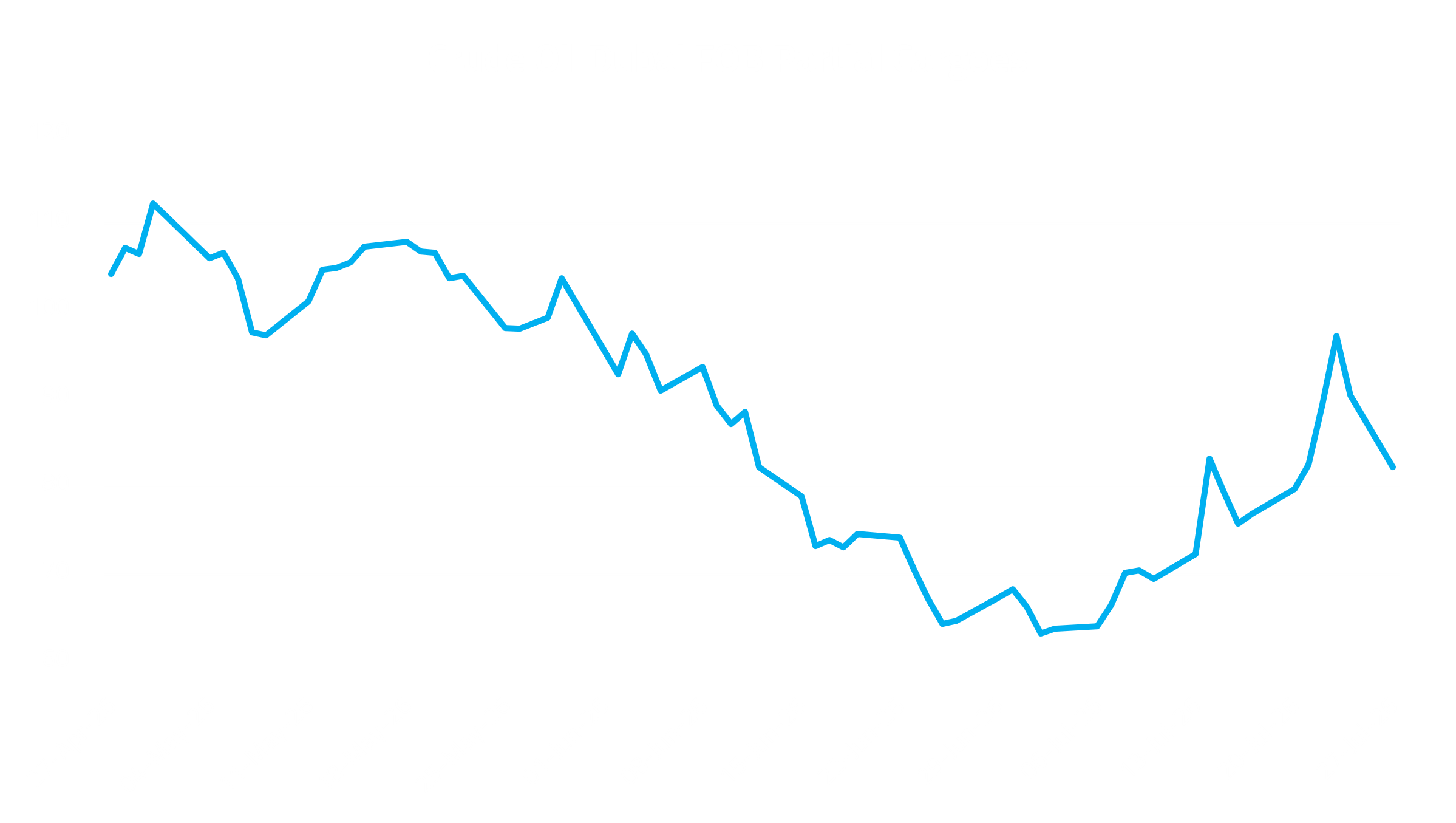

Almost all Saudi Arabia’s exports in April and May were routed through Yanbu, with that number down to around 80% in July, making it a critical alternative artery for exports once flows through the Strait of Hormuz were curtailed by the simmering conflict between the US and Iran. Since the announcement by Houthis of a maritime blockade against Saudi Arabia on July 20th, at least four oil tankers have reportedly U-turned at the Bab el-Mandab Strait; while oil tankers Encelia and Layla carrying Saudi crude were hit by drones and missiles, according to the Houthis’ military spokesperson.
Yanbu has exported 3.72mn b/d of crude oil so far in July, with 53% of the exports headed to Asia, data from analytics firm Vortexa showed. The blockade will force any Asia-bound tanker willing to risk calling at Yanbu to traverse the Cape of Good Hope and arrive through the Suez Canal. But the added voyage time and Suez Canal’s draft restrictions will raise the price of shipping Middle East crude for Asian buyers.
Compounding the Red Sea disruption, Hormuz transit has dropped sharply following the fatal attack on two Abu Dhabi National Oil Company (ADNOC) shuttle vessels on 14 July. The increasing dark-fleet activity also makes it harder to track the actual shipping flows, as vessel operators turn off their AIS to evade detection. So far in July, 56% of crude oil exports (2.79mn b/d) from the Strait of Hormuz were destined to Asian buyers, with China being the single largest buyer taking 1.92mn b/d.
In total, Asian buyers took 4.74mn b/d of crude originating from the Middle East from waters near Fujairah and Yanbu in July, only a portion of which is likely to be plugged by crude from the Atlantic basin going forward. That would leave Asian refiners with the prospects of drawing on oil reserves and cutting runs.
China’s massive oil inventory was instrumental in how the oil market managed the supply crunch in March and April, when Israel and US attacked Iran. China has drawn about 387,000 b/d since March, leading its onshore storage to drop to 1.38bn bl in July, OilX data shows. Despite the steady drawdown, Chinese inventories remain healthy, with July stocks 59.20mn bl higher year-on-year. The storage buffer allowed China to adopt a measured approach in the crude markets at the height of conflict, with inventory drawdowns allowing Chinese refiners not only to stay clear of the inflated spot market but to also resell recently lifted volumes from West Africa. The combination of running stored barrels and reselling cargoes on the water, helped tame flat prices, while allowing other Asian buyers to manage supply needs. China’s oil demand management was also helped by domestic price caps on transport fuel, which crimped refining margins, leading to run cuts.
So far, indications point to China reverting to inventory drawdown and reselling of spot cargoes, which will help limit the pace of widening in the Dubai M1/M3 spread. Chinese refiners are reportedly offering recently purchased Middle Eastern crude to South Korean refiners amid strong refining margins, according to market sources. With prices now well above US$80.00/bl Chinese refining margins are expected to come under pressure again, despite Beijing lifting the transport fuel price cap on 17 July.
%20(1).webp)


.webp)
.png)
.webp)