The Widening
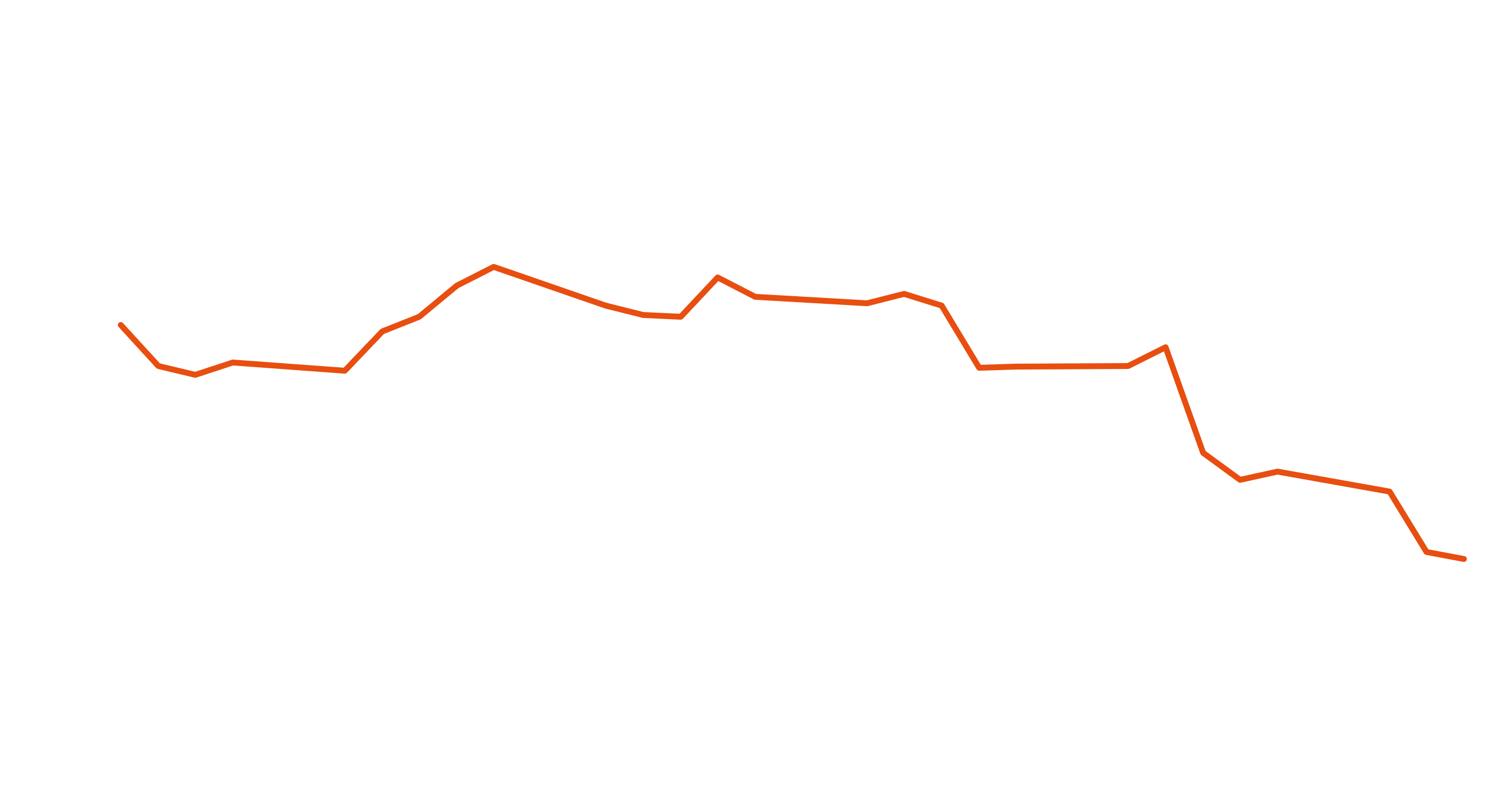
The gasoil East–West spread rose to -$118.30/MT on 7th July from -$51.98/MT on 2 June, reaching the widest discount of Singapore 10ppm to ICE LSGO Futures since the last highs seen in early May. The spread had been as narrow as –$35.50/mt around mid-June before widening to current highs.
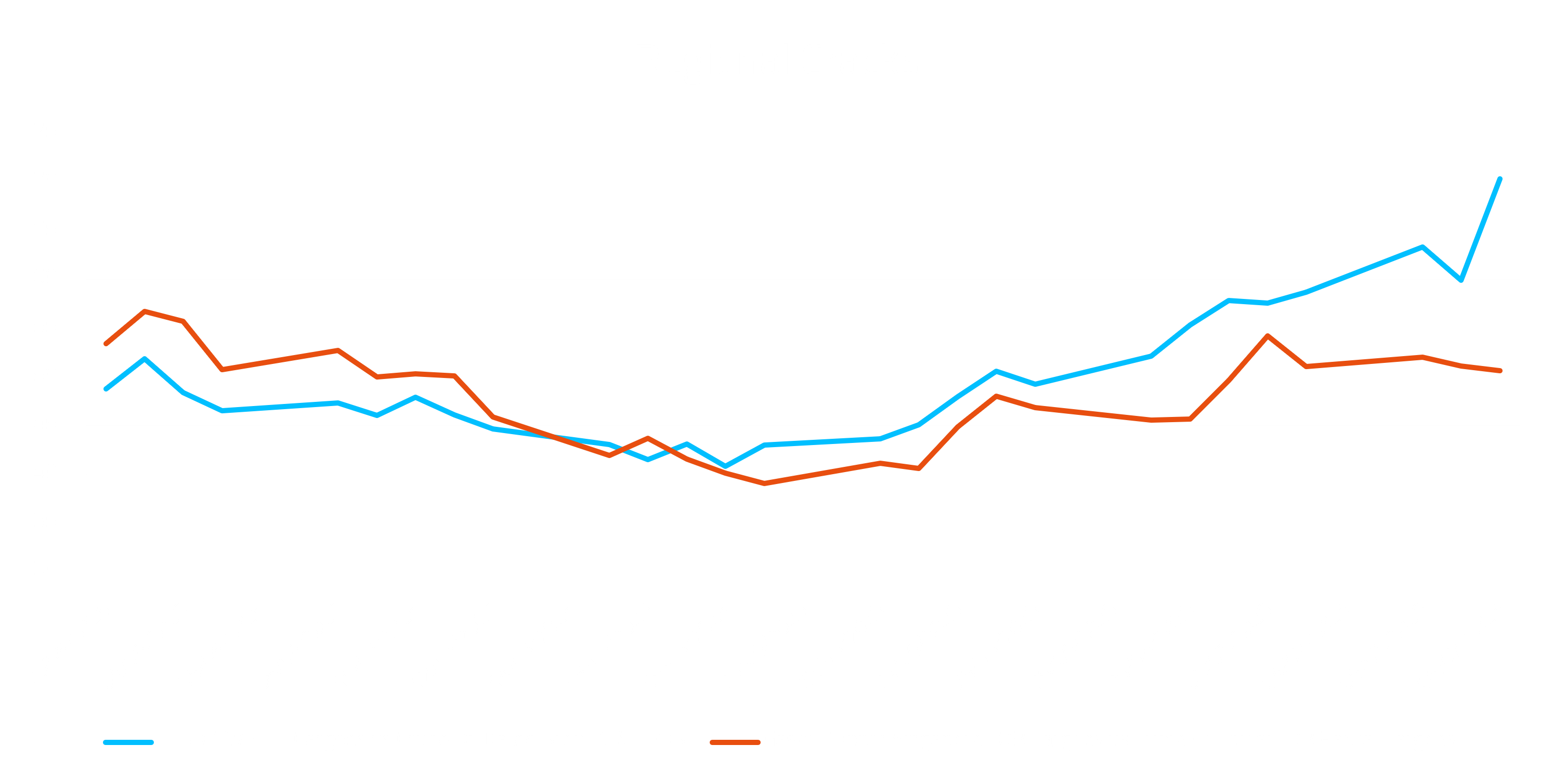
The gaping East-West spread has occurred despite a persistently strong market in Asia, with Singapore 10ppm cracks remaining firm. The cracks held consistent across the month of June within the bands of 40s-low 50s. Stable cracks suggest that gasoil prices in the east of Suez market have mostly moved in line with crude prices that slide lower amid increased flows through the Strait of Hormuz in May and June.
On the other hand, European ULSD cracks have surged despite weaker crude prices. European ULSD cracks surged from $48.90/bbl to $70.40/bbl over the same period, a 44% increase. Both regions are running tight on distillates but Europe’s higher refining margins and resultant flat prices, have tipped the East-West in its favor.
The European Deficit
A multitude of factors contributes to the strain on Europe’s diesel supply chain, which elevated diesel prices across the region.
Falling water levels in the Rhine river in June, limited barge loading capacity, reducing inland flows at a time when Europe’s Middle East imports was already curtailed by war in that region.
Ukrainian attacks on Russian refineries also reduced Russian exports, prompting the Kremlin to consider a possible ban on diesel exports in the latter half of June, amid domestic fuel shortages that have caused rising prices and queues at petrol stations. The ban on diesel exports was shortly implemented on 8th July. The latest news has Russia’s largest oil refinery, Omsk, halting operations following a Ukrainian drone attack and Omsk has ceased offers of gasoline and diesel on the Saint Petersburg International Mercantile Exchange since 7th July. Diesel and gasoil exports departing from Russia in the month of June were at 460,600 b/d, right under half of the 12 and 24-month seasonal averages, data from analytics firm Vortexa showed. As Russian diesel travels largely to Europe, Africa and South America, these regions are especially affected by the reduction in Russian diesel flows.
Europe’s ability to draw the diesel fuel from the US may also be limited. The spreads between CME’s New York Harbor ULSD and ICE Gasoil NWE for June averaged $20.59/gal, well above the Jan-May average of $13.63/gal. US distillate inventories for May and June were seen at 10.2 and 10.5 million barrels respectively, hovering below the 5-year seasonal averages of 11.3 and 11.8mn bl. Taken together, these dynamics keep the opportunity for USAC-NWE arbs narrow, keeping diesel supplies in Europe tight.
Looking Forward
The East-West gasoil spread may could widen even further amid China’s decision to lift their refined fuel export restrictions for July this week with refiners slated to export 3 million metric tons of gasoline diesel and jet this month, with inclusion of bonded volumes to Hong Kong and Macau. Though it remains to be seen if export restrictions will be reinstated for August. Chinese Middle distillate exports tend to get consumed within Asia, but extra volumes from the country would free up cargoes from West Coast India and the Persian Gulf to flow west.
%20(1).webp)


.webp)
.png)
.webp)