The joint US–Israeli strikes on Iran launched on 28 February 2026 represent the most severe geopolitical shock to energy markets since Russia's invasion of Ukraine in 2022. The conflict has triggered a de facto closure of the Strait of Hormuz, with commercial shipping, major oil companies, and insurers effectively withdrawing from the corridor that normally transits roughly 20% of global daily consumption of crude and refined products. The OPEC+ group met Sunday and approved a modest 206,000 bpd production increase - well below what would be needed to offset Hormuz-linked disruption and widely viewed as insufficient to contain the price spike.
Impact on Middle East Crude Prices

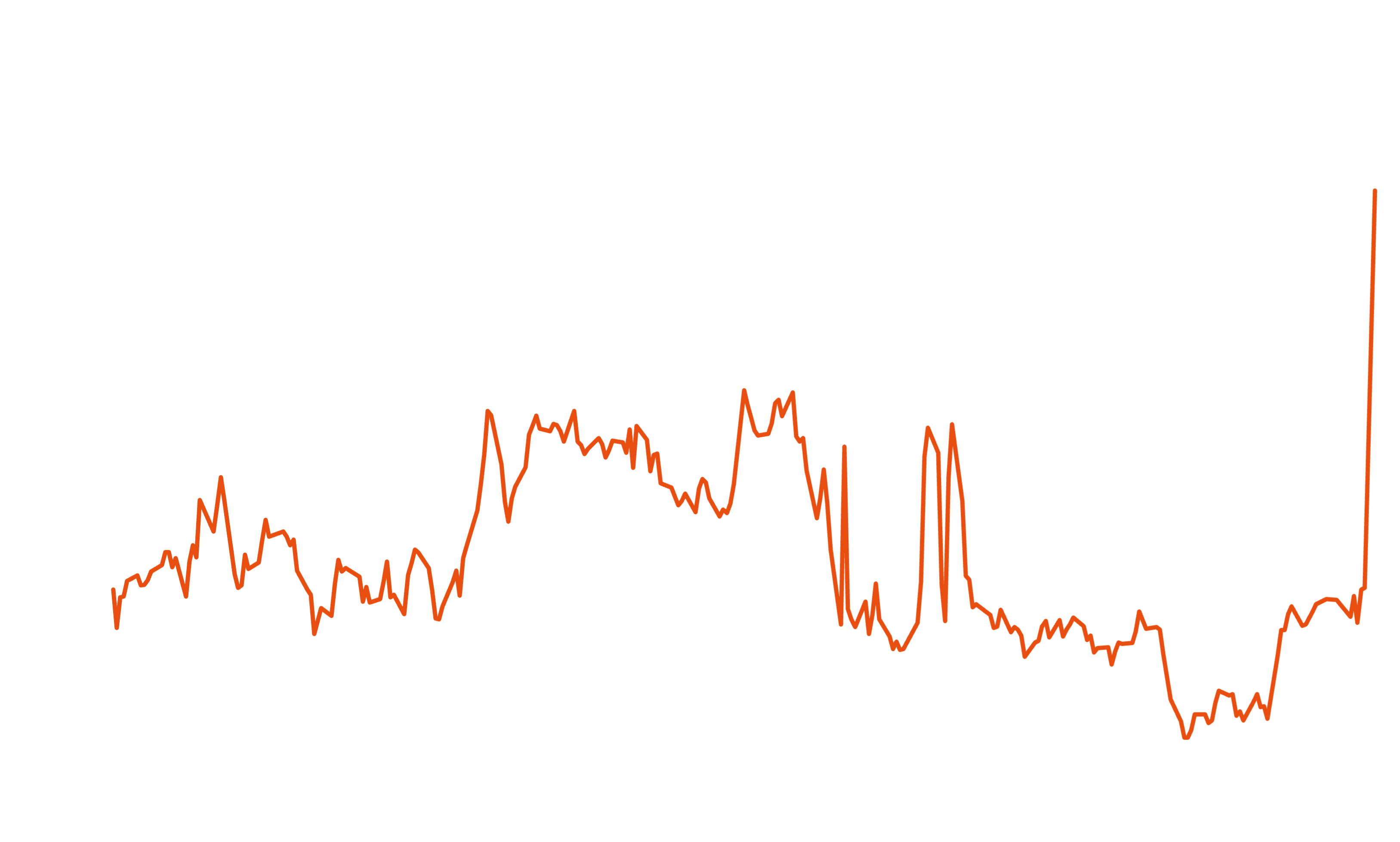
Note: Prices already incorporated a pre-war risk premium, rising steadily through the week as US–Iran negotiations in Geneva, which collapsed following US-Israel attack on 27 February.
Middle East Impact
- Oil benchmarks surged ~13% following the US/Israeli attack on Iran and Tehran's subsequent response - closely mirroring the 13.7–15.3% price spike seen at the height of the 12-day June war (13–24 June 2025) between the three states.
- Dubai’s physical differential surged from $1.22/bbl to $5.89/bbl between 27 February and 2 March, hitting the highest in almost four years. The gains will translate into higher official selling prices being set by Middle East producers for April loading, although chances of April crude loadings out of the Middle East Gulf remains low, unless current conflict subsides.
- Approximately 17mb/d of crude exports, plus a further 4–5mb/d of condensate and oil products, are now effectively hemmed into the Middle East Gulf and Gulf of Oman, with Hormuz transit paralysed.
- Aramco has already informed customers that only exports available would be through their Red Sea port of Yanbu, where only Arab Light can be loaded, without specifying available volume.
- Loading from Yanbu are one of two available alternative export routes out of the region, though with limited capacity. The other is the Kirkuk-Ceyhan pipeline linking Iraqi Kurdistan to Turkey's Mediterranean port of Ceyhan handles just ~200,000b/d. Crude exported from Yanbu Saudi arrives via the East-West pipeline which can carry ~1mb/d.
- Kirkuk-Ceyhan flows have been suspended as a precaution; the Saudi East-West pipeline faces acute vulnerability, as it is fed by the Abqaiq processing plant near the Gulf - the same facility struck by drone and missile attacks in September 2019, which took 15 days to return to full capacity.
APAC Impact
- The conflict will intensify competition for non-Middle East medium sour and heavy crude, which underpins much of Asia-Pacific's refinery slate. The squeeze will be sharpest for Japanese, South Korean and Thai refiners, who have self-sanctioned out of Russian medium and light sour crude - their most economically and logistically accessible substitute.
- Asia-Pacific refiners, as the primary buyers of Middle East crude, face a double hit: soaring freight costs on top of supply disruption. TD3C tanker rates covering voyages from the Middle East Gulf to China have surged 195% month-on-month - from $28.15/MT to $82.95/MT - adding a further tax on long haul crude purchases from the Atlantic basin.
- Shipping insurers have informed clients that war risk reinsurance has been cancelled across the Middle East Gulf, Gulf of Oman and adjacent waters stretching northeast to the Iran-Pakistan border.
Impact on Benchmarks
- The conflict has directly impacted price discovery for Middle East Gulf crude. Nominations of crude grades loaded inside the Strait of Hormuz which form the Dubai basket have been suspended. Most of the five grades in the Dubai basket - Dubai, Upper Zakum, Al-Shaheen and part of Murban - are directly affected. While Oman crude and most of Murban exports load outside of the Strait, shipping activity across the Gulf of Oman has also ground to a halt. Oman and Murban exports out of Fujairah, account for around 59% of the crude volumes underpinning the Dubai basket.
.png)

.webp)