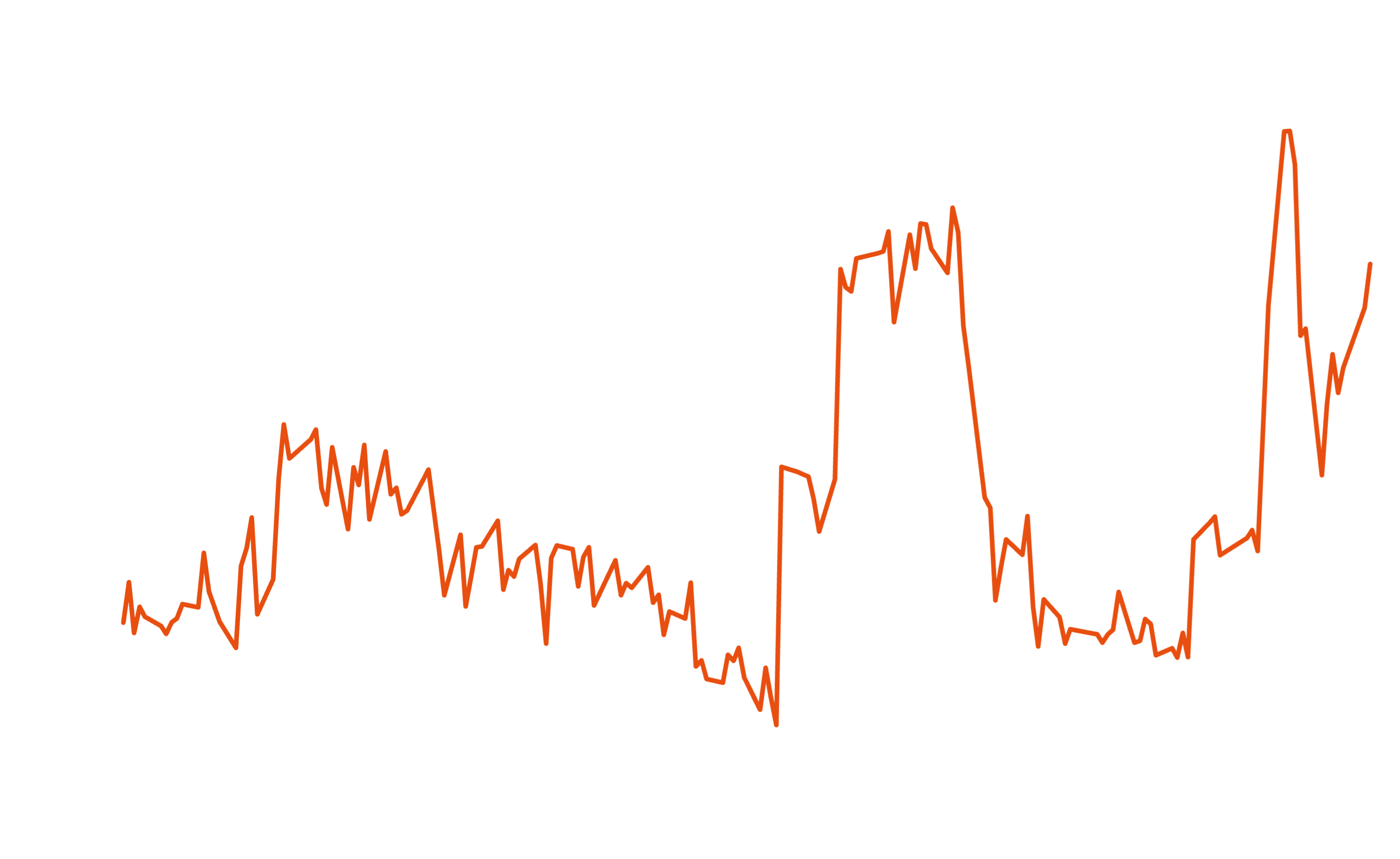
A rally in jet fuel prices on the US West Coast, which started in mid-December, is keeping the cross-Pacific arbitrage open, drawing across volumes from Asia. Los Angeles jet fuel prices first rose to a 3-weeks high of US$11.26/bl above Singapore prices and continued to surge to a peak of US$37.72/bl on 6 January 2026. The spread’s 5 day moving average first attained its 2-weeks high on 22 December 2025 and remained at elevated levels, surpassing the annual 2025 average spread of US$10.47/bl.
Refining woes at the West Coast
The last time the jet fuel cross-Pacific arbitrage opened was on 3 October 2025, when news first broke out of a massive explosion and fire at Chevron's El Segundo refinery, damaging the Isomax unit that converts crude oil into jet fuel. The spread between LA and Asia surged to peaks of US$32.75/bl by early November 26 and only closed well past the middle of the month.
The resurgence of the cross-Pacific arbitrage follows refinery closures, shut ins along the West Coast and the lingering impact of the winter travel season. The decommissioning of Philips 66's Los Angeles refinery at the end of December alongside an extended outage for PBF Energy's California refinery tightened regional jet supplies which were already crippled by the El Segundo fire in October 2025.
Valero's decision to bring forward the decommissioning of the Benicia refinery from April to February and PBF’s announcement that planned operating rates will only be achieved at the start of March 2026, is set to keep jet supplies in the US west coast tight.
Asian flows at seasonal high
Several clean product tankers have been booked to deliver jet fuel from South Korea to the USWC, market sources said. Data from 22 January 2026 indicates that the volumes of Asia-origin jet cargoes landed in USWC have totalled 222,000 t. The inclusion of six more outbound cargoes would double the volumes of Asia-origin jet cargoes imported by the USWC to 409,900 t, exceeding both 12 and 24-month seasonal cargo arrival levels of 185,100 t and 261,000 t, as seen in data from analytics firm Vortexa.
South Korea has long been a leading jet fuel exporter in the region, with major export markets including the US, Australia, and Japan. In 2025, the country produced an average of 513,000 bl a month of jet fuel and exported around 258,000 bl of its total output, with close to 45% of these exports heading to the US, data from Vortexa and consultancy Energy Aspects showed.
As of 22 January 2026, the cross-Pacific arbitrage remains open with General Index assessing the spread between LA and Singapore at US$29.101/bl.
%20(1).webp)


.webp)
.png)
.webp)