.avif)
Birth of Murban futures
Adnoc and the Intercontinental Exchange launched the IFAD Murban futures with much fanfare on 29 March 2021, bringing along with them nine oil companies as founding partners. The list included BP, South Korean refiner GS Caltex, Japanese upstream firm INPEX, Japanese refiner ENEOS, Chinese state-controlled PetroChina, Thailand’s state-controlled refiner PTT, Shell, TotalEnergies and trading firm Vitol. Officials at the launch hailed the contract as a move towards “transparency” and “market-based-pricing”, and to achieve it, Adnoc was willing to relinquish pricing control of its largest stream of crude, which accounted for around a third of its 3mn b/d exports, allowing market forces to set its value two months ahead of loading. The move also democratized access to Murban crude, with smaller firms and trading companies with no refining assets able to buy a free destination physical cargo through the IFAD exchange and sell it to buyers in any geography. The project was emblematic of an era that saw Abu Dhabi imbued with ambition of becoming a global hub for commodity trading and a willingness to break with the old and adopt more market-oriented policies.
The change meant that Adnoc would part ways with rival Middle East producers, such as Saudi Aramco, which had for decades used a combination of Oman and Dubai benchmarks in the calendar month of loading as the underlying basis price for their term exports. Aramco and other Middle East producers would then refer to the month-on-month change in Dubai’s forward structure, for the month prior to loading, for further adjustment of prices above or below the underlying values. This pricing method would often have a compounding effect which benefited oil producers, especially when markets were on an upward trajectory, and the spread between prompt prices and those for forward months was widening month-on-month. During these periods, producers would see higher underlying prices and a signal from a widening backwardated Dubai structure to lift differentials higher. This meant producers either benefited from the compounding effect of higher prices and widening backwardation or were buffered against lower underlying prices by signals from the prompt Dubai price structure to adjust differentials higher.
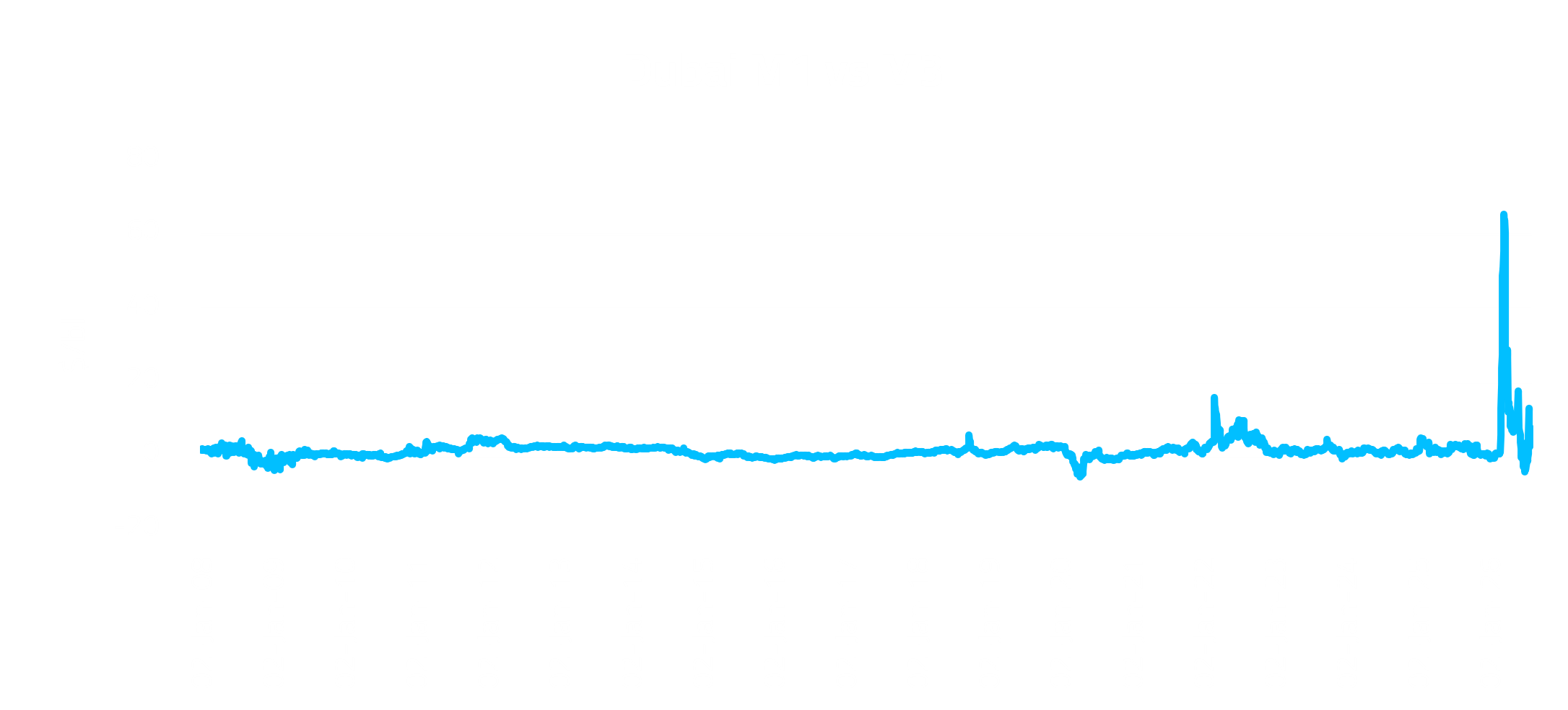
Adnoc’s decision to use the month-average of IFAD Murban futures two months ahead of loading, as the final price for Murban exports, meant it could not react to short-term volatility, depriving the company of the ability to adjust Murban prices closer to the month of loading. This placed Adnoc at a disadvantage at times where IFAD Murban lagged Dubai, especially during times when crude prices were rising and exports were curtailed, as was the case with the onset of the recent regional conflict.
In 2021 though, Adnoc’s priorities had centered on the creation of a global benchmark that would one day become a preeminent price market for Middle East crude exports, entrenching Murban into refinery margin calculations and widening its customer base.
Reality of war
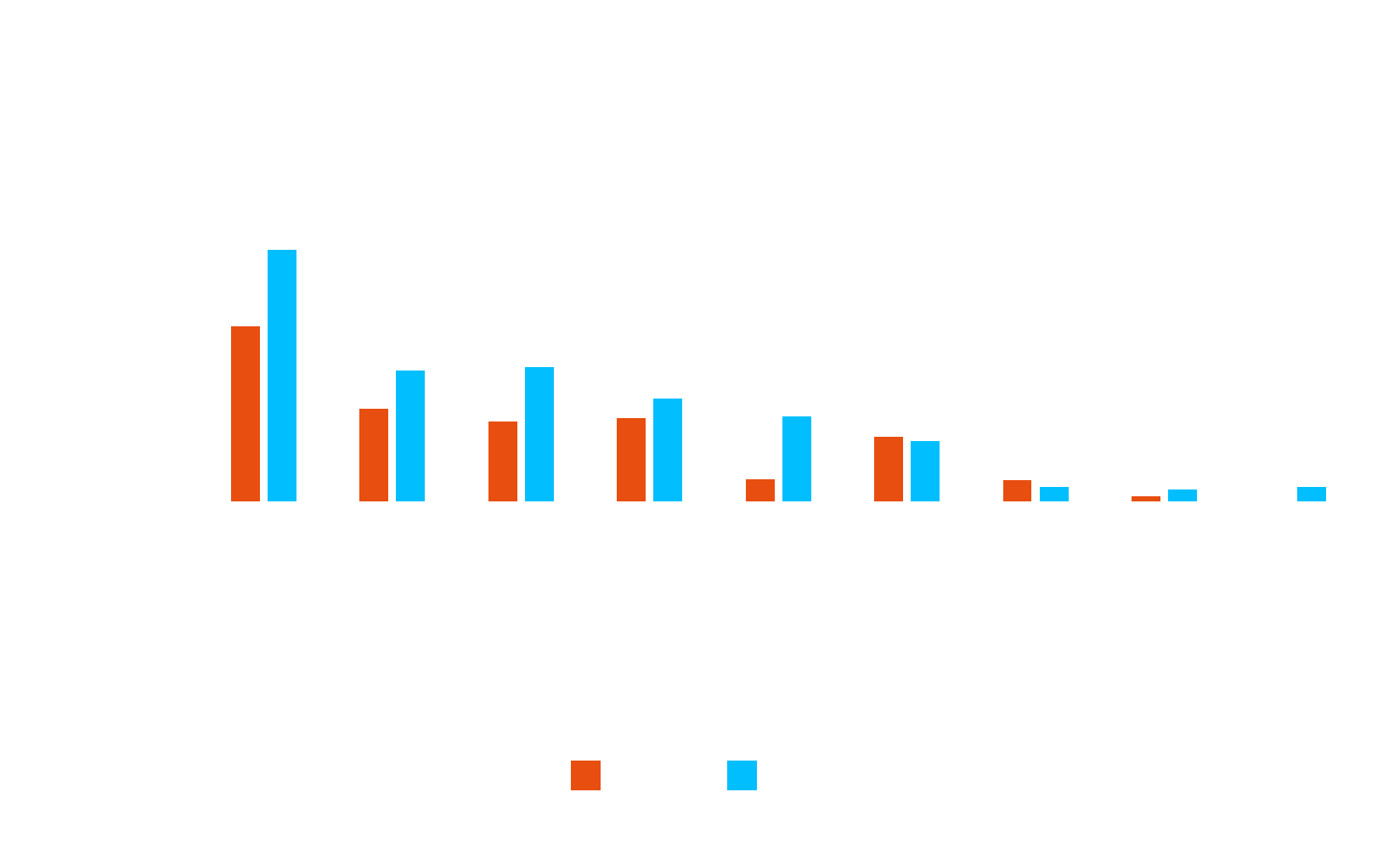
But since its launch, the question of whether the contract had enabled Abu Dhabi to maximize its crude revenues had lingered, even as the price marker performed its role as a transparent pricing instrument. The subject of oil revenues is likely to have become ever more pertinent for decision makers in the Emirates this spring, when the US-Israel attack on Iran triggered a region-wide war which disrupted hydrocarbon flows through the Strait of Hormuz and slashed crude exports from the Middle East from around 19mn b/d in February to around 9mn b/d by April, according to data from analytics firm Vortexa. Abu Dhabi itself lost around 40% of its crude exports between February and March, seeing them fall from 3.4mn b/d to 2mn b/d, the data showed. Murban futures also suffered through the period, at one point lagging record breaking Dubai prices by US$40/bbl, as liquidity behind the contract dropped substantially. The incident had followed reports that Adnoc would prioritize allocation of Murban at the port of Fujairah, located outside of the Strait of Hormuz, to term lifters, leaving Murban concession partners, who hold 40% of the Murban production, uncertain of being able to receive their share of supplies outside of the Strait. This supply shortfall is likely to have led to incidents where traders were unable to receive full physical cargo volumes through IFAD, according to media reports which emerged later in April. In March this had dented participation rates, causing a lag in Murban futures as Dubai reached an all-time high of U$169.75/bbl on 23 March. The episode was the first sign that the conflict was directly impacting the IFAD physical delivery mechanism.
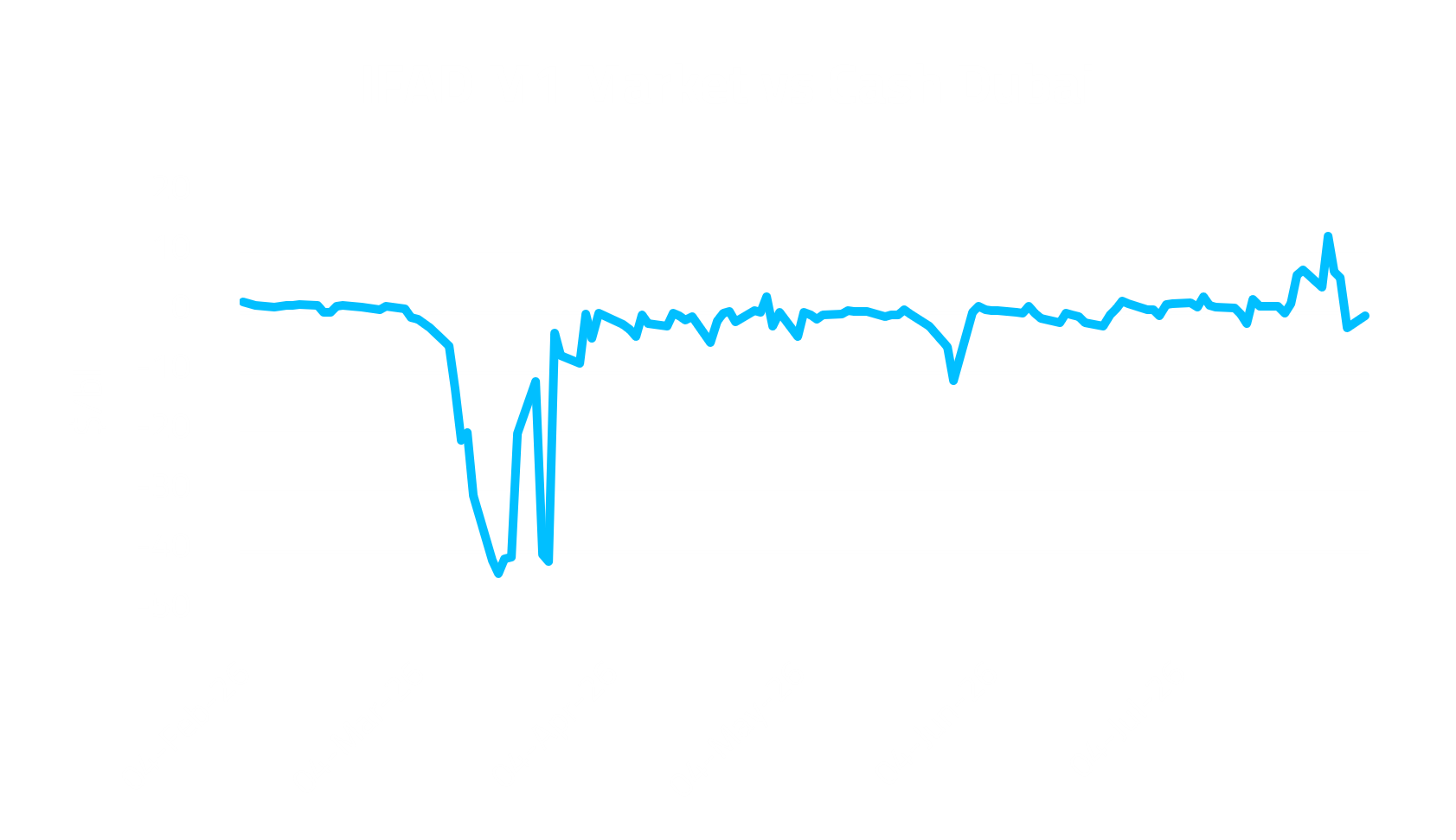
Since its launch, some had doubted whether a contract dependent on a single grade of crude could succeed as an oil benchmark. But Adnoc’s decision early on to link the price Murban exports to IFAD, had guaranteed the price markers place within the crude pricing ecosystem, while the growth in the contract’s liquidity in recent years had placated some critics. In the end though, Adnoc’s backing – which had guaranteed Murban’s status – became its Achilles heel once the state-owned firm recalibrated its priorities. Stripped of its ability to price Murban exports at the end of July, the contract is now serving out its last days.
%20(1).webp)


.webp)
.webp)
.webp)